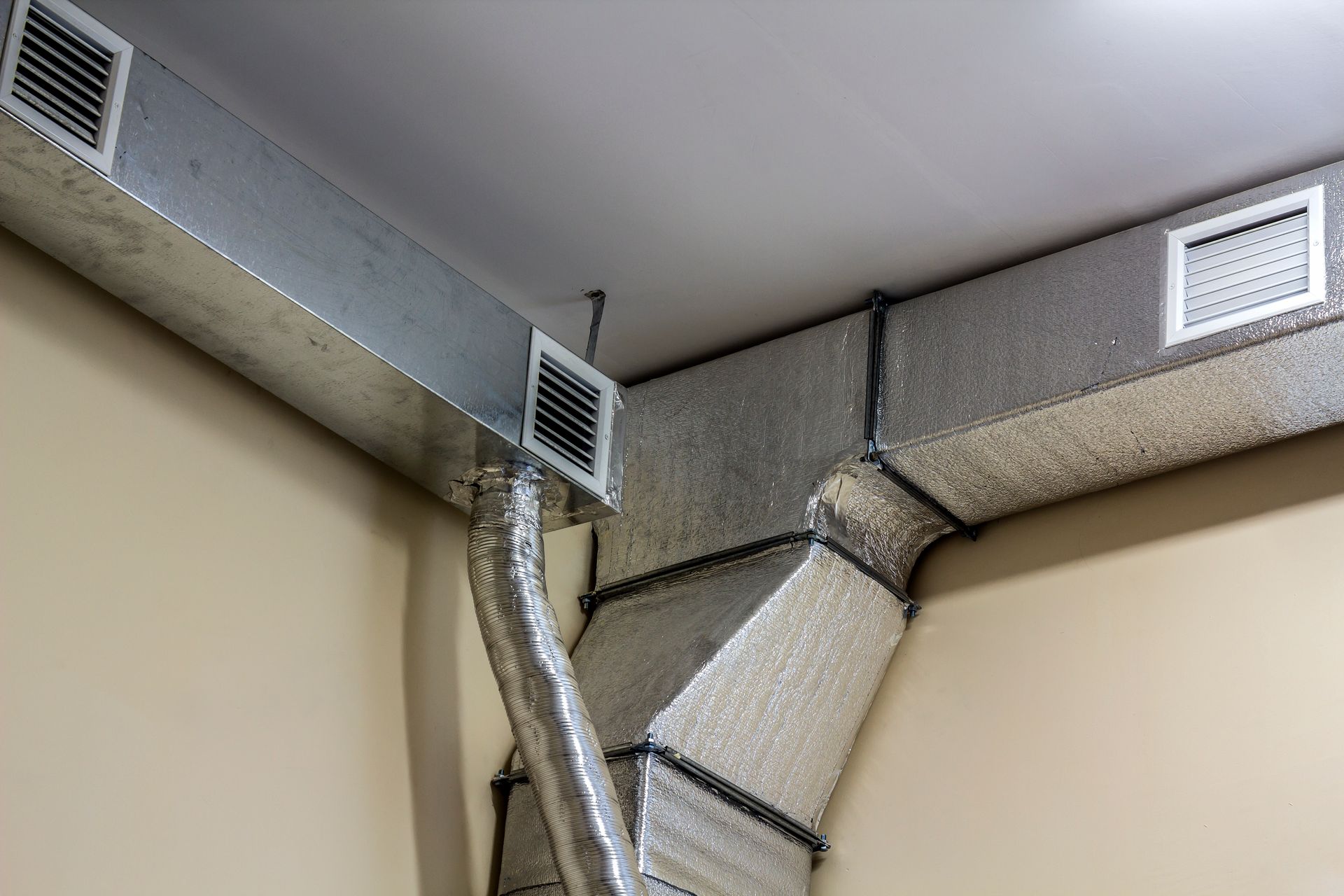
Air Duct Cleaning Services in Springfield & Lake of the Ozarks

See What Is Inside Your Air Ducts Before Deciding What to Do

SCHEDULE AIR DUCT EVALUATION

No pressure - just honest advice.

Contact Us

Three Generations of Comfort
Two Master Mechanical Licenses
Licensed, Bonded, and Insured
650+ Five-Star Reviews

Do My Air Ducts Need to Be Cleaned?


The honest answer is that not every home needs routine air duct cleaning.


Cleaning may be worthwhile when there is enough dust, construction debris, pet hair, pest material, or other buildup inside the system to affect the home. It may also be appropriate when particles are visibly coming from the vents or when a home has an unknown maintenance history.


In other situations, the dust or odor may be coming from somewhere else.


A poorly fitted filter, leaking return duct, damp crawlspace, dirty HVAC component, damaged duct connection, or active moisture problem can create many of the same symptoms. Cleaning the ducts without correcting the source may only provide temporary improvement.

Air Duct Cleaning May Help When

  • Dust or debris is visible deeper inside the ductwork
  • Material blows from the supply registers
  • Construction dust entered the system during remodeling
  • Pet hair or debris has collected inside accessible ducts
  • Pest debris remains after the entry point has been corrected
  • A recently purchased home has an unknown HVAC history
  • A seasonal property sat unused for an extended period

Another Correction May Be Needed When

  • Dust is entering through a leaking return duct
  • The air filter does not fit properly
  • Ductwork is damaged, loose, or disconnected
  • High humidity or condensation is creating moisture
  • Rodents or insects are still entering the system
  • The odor is coming from the coil, drain, crawlspace, or another source
  • Wet or deteriorated duct insulation needs to be replaced

Around Camdenton, Lake Ozark, and Osage Beach, seasonal homes may sit closed for months at a time. Dust, pests, moisture, and odors can develop without anyone noticing until the heating or cooling system is turned back on.


The right recommendation starts with understanding the home, not assuming every dust problem requires the same service.

Is Air Duct Cleaning Right for Your Home?

Show Me Reporting™ Approach

What We Look for Before Recommending Cleaning

Ductwork is only one part of your HVAC system. We look beyond the vent to find how debris entered, whether it may return, and whether cleaning is the right solution.

Filter Fit & Return-Air Leaks

Air can slip around the filter, while return leaks can pull dust from attics, crawlspaces, walls, or basements.

  • Air bypass around loose or damaged filters
  • Dust pulled in through return-air leaks
  • Buildup can return if leaks stay open
Moisture & Condensation

Moisture can contribute to musty odors and duct damage. We investigate the source before cleaning.

  • High indoor humidity
  • Blocked or damaged condensate drain
  • Damaged insulation or duct connections
  • Crawlspace, attic, or water intrusion issues

Duct Material & Condition

Different duct materials and conditions require different methods. Cleaning is not always the best solution.

  • Sheet metal, flex duct, duct board, and lined ductwork
  • Crushed, torn, or disconnected sections
  • Wet or deteriorated insulation
  • Repair or replacement may be better than cleaning

Connected HVAC Components

Debris may also affect other parts of the system that influence airflow and indoor air quality.

  • Filter rack and return-air opening
  • Furnace or air handler
  • Blower compartment
  • Evaporator coil area
  • Drainage and condensate components

You See What We See

Through Show Me Reporting, Tom’s documents our findings with photos and explains what looks normal, what needs attention, whether cleaning is likely to help, what the service includes, and whether another correction should come first.

  • What looks normal
  • What needs attention
  • What may be causing the problem
  • What the service includes
  • What should happen first

How Our Air Duct Cleaning Process Works 


Every home is different, but our process is designed to keep the work clear and help you know what to expect. 

1. We Listen

We ask what you have noticed, when it began, and whether the home was recently purchased, remodeled, or seasonally vacant. This helps us understand the home's history and where to begin.

2. Inspect & Document

We inspect accessible ductwork and related HVAC components for buildup, airflow concerns, moisture, pests, filtration problems, air leaks, and duct condition. Findings are documented with photos through Show Me Reporting.

3. Explain the Scope

We explain what cleaning can address, which supply ducts, return ducts, trunk lines, branches, registers, and related components are included, and whether another repair or service should come first.

4. Clean the System

We protect accessible flooring and furnishings, then use the cleaning method suited to the duct material, system design, accessibility, and debris present. The goal is to remove buildup without sending it deeper into the system or home.

5. Review & Educate

We review what was removed, identify any additional concerns, and explain what may help keep the system cleaner. You receive clear next steps without an unexpected sales presentation.

Book Air Duct Cleaning

What Affects the Scope, Timing, and Cost? 


There is no single price or cleaning process that fits every home.


The amount of work depends on the actual duct system and what is found during the evaluation.


Factors That Affect the Service

  • Number of HVAC systems
  • Home size and layout
  • Number of supply and return runs
  • Duct material
  • System accessibility
  • Amount and type of debris
  • Remodeling or construction material
  • Pest contamination
  • Moisture or damaged insulation
  • Components included in the approved scope
  • Whether duct repair or another correction is needed

Beware of Low, Incomplete Offers

Some companies advertise low whole-home duct-cleaning prices but leave out important parts of the system. Before hiring, ask exactly what is included and whether additional charges may be added later.

Request an Evaluation

Why Homeowners Choose Tom’s Air Conditioning & Heating 


01

We Educate First

We explain what we find and help you understand your options. If duct cleaning is not the right solution, we will tell you what may be causing the concern instead.

02

Whole-System Focus

We evaluate the filter, return system, blower area, airflow, moisture, and duct condition to identify the actual cause, not just the most visible symptom.

03

Show Me Reporting™

Photos and clear explanations help you see the condition of your HVAC system and make an informed decision without guesswork or pressure.

04

Three Generations

Our family HVAC experience reaches back to the 1960s, with a continued focus on honesty, hard work, clear communication, and dependable service.

05

Qualified & Certified

Tom’s holds two Master Mechanical Licenses and maintains EPA, OSHA, duct-cleaning, indoor air quality, and manufacturer training. We are licensed, bonded, and insured.

06

Local & Experienced

We understand the different needs of Springfield-area homes and seasonal properties around Lake of the Ozarks. We consider how each home is built and used before recommending a solution.

Learn More About Tom's Air Conditioning & Heating

650+ Five-Star Reviews

Homeowners trust Tom’s for honest service and real solutions.

Read Our Reviews

Air Duct Cleaning FAQs


  • How do I know whether my air ducts need cleaning?

    The most reliable way is to inspect accessible parts of the system.


    Dust on a vent cover does not necessarily mean the entire duct system needs cleaning. More meaningful signs include debris deeper inside the ducts, particles coming from supply registers, construction material, pest contamination, recurring odors, or visible moisture concerns.


    Tom’s can document what is present and explain whether cleaning is likely to help.

  • Is air duct cleaning worth it?

    It can be worthwhile when there is enough buildup inside the system to justify the service and the source of the contamination has been corrected.


    It may not be worthwhile when the problem is limited to a dirty grille, a poorly fitted filter, an active duct leak, ongoing pest entry, or a moisture problem that has not been addressed.


    Our goal is to help you understand which situation applies to your home.

  • How often should air ducts be cleaned?

    There is no universal cleaning schedule for every home.


    The need depends on the condition of the system, home use, pets, remodeling, filtration, moisture, pest activity, and whether buildup is actually present.


    We recommend cleaning based on what the system needs rather than automatically recommending it every few years.

  • Will air duct cleaning reduce dust?

    It may help when material inside the HVAC system is a meaningful source of the dust.


    However, dust may also enter through return leaks, gaps around the filter, attics, crawlspaces, open doors, pets, fabrics, and normal household activity.


    That is why identifying the source matters.


  • Should I have my ducts inspected after remodeling?

    An inspection may be worthwhile after drywall work, sanding, demolition, flooring installation, or insulation work, especially if the HVAC system operated during the project or registers were left uncovered.


    If construction debris entered the system, we can show you what is present and explain whether cleaning is recommended.

  • Can flexible or insulated ductwork be cleaned?

    Sometimes, but the material and condition must be evaluated first.


    Aggressive cleaning tools can damage flexible ductwork or internal liners. Wet, deteriorated, or heavily contaminated insulation may need to be replaced rather than cleaned.


    We choose the approach based on the system instead of using the same method in every home.

  • What does air duct cleaning cost, and how long does it take?

    The cost and timing depend on the home, number of HVAC systems, number of duct runs, accessibility, duct material, level of buildup, and what is included in the approved scope.


    After evaluating the system, Tom’s will explain the recommended work and what you can expect before cleaning begins.


  • Can flexible or insulated ductwork be cleaned?

    Sometimes, but the material and condition must be evaluated first.


    Aggressive cleaning tools can damage flexible ductwork or internal liners. Wet, deteriorated, or heavily contaminated insulation may need to be replaced rather than cleaned.


    We choose the approach based on the system instead of using the same method in every home.


Not Sure Whether Duct Cleaning Is the Right Next Step? 

Tom’s Air Conditioning & Heating will inspect your system, document what we find, and explain whether air duct cleaning or another correction makes the most sense for your Springfield or Lake of the Ozarks home.


No pressure. Just clear answers before any work begins.