
Why Is My AC Running Constantly During Summer? A Missouri Homeowner's Guide
Every summer, we receive calls from homeowners who are frustrated because their air conditioner never seems to shut off.
Sometimes the system is operating exactly as designed. Other times, nonstop operation is the first warning sign of airflow problems, refrigerant issues, maintenance concerns, or hidden comfort problems that many HVAC companies overlook.
After decades of diagnosing cooling systems throughout Missouri, we've found that one of the biggest mistakes homeowners make is assuming an AC running constantly automatically means they need a new system.
At Tom's Air Conditioning & Heating, we've built our reputation on taking a whole-system approach. Rather than focusing only on the component that failed, we evaluate airflow, ductwork, humidity, equipment condition, thermostat performance, and overall home comfort. With three generations of HVAC experience, more than 650 customer reviews, and two Master Mechanical Licenses, we've seen firsthand how seemingly simple cooling complaints often have deeper causes.
Understanding why your AC is running constantly can help you avoid unnecessary repairs, improve comfort, and potentially prevent a costly breakdown during the hottest part of the year.
Is It Normal for an AC to Run All Day During Summer?
The honest answer is: sometimes.
Many homeowners in Springfield, Lake Ozark, and surrounding areas become concerned when they notice their air conditioner running longer during the first major heat wave of the season. In reality, longer cooling cycles can be completely normal during extreme weather.
Most residential air conditioning systems are designed to maintain indoor temperatures approximately 15 to 20 degrees cooler than outdoor conditions during peak demand periods. When temperatures approach 95°F to 100°F with high humidity, your system may run much longer than it does during mild weather.
The key question isn't whether the system is running.
The key question is whether it's keeping up.
"The real question isn't whether your AC is running. The real question is whether it's keeping your home comfortable."
If your home reaches the thermostat setting, maintains comfort, and controls humidity, longer run times may be normal. If temperatures continue climbing or comfort is declining, there is likely an underlying issue reducing performance.
The Biggest Misconception About Long AC Run Times
One of the most common misconceptions we hear is:
"My AC should cycle on and off every few minutes no matter how hot it gets."
In reality, short cycles can actually be less efficient.
Air conditioners are designed to remove both heat and humidity. Longer cooling cycles often improve humidity control and help maintain more consistent indoor temperatures.
What matters is whether the system is achieving its goal.
Quick Takeaway
Longer run times may be completely normal when your system is maintaining temperature, controlling humidity, and keeping rooms comfortable.
A professional evaluation is recommended when your AC is falling behind on cooling, producing weak airflow, creating unusually high utility bills, or running nonstop for days.
8 Common Reasons Your AC Is Running Constantly
1. Dirty Air Filter Restricting Airflow
A clogged air filter is one of the most common causes of extended run times.
Restricted airflow reduces cooling performance and forces the equipment to work harder to reach the thermostat setting.
2. Dirty Outdoor Condenser Coil
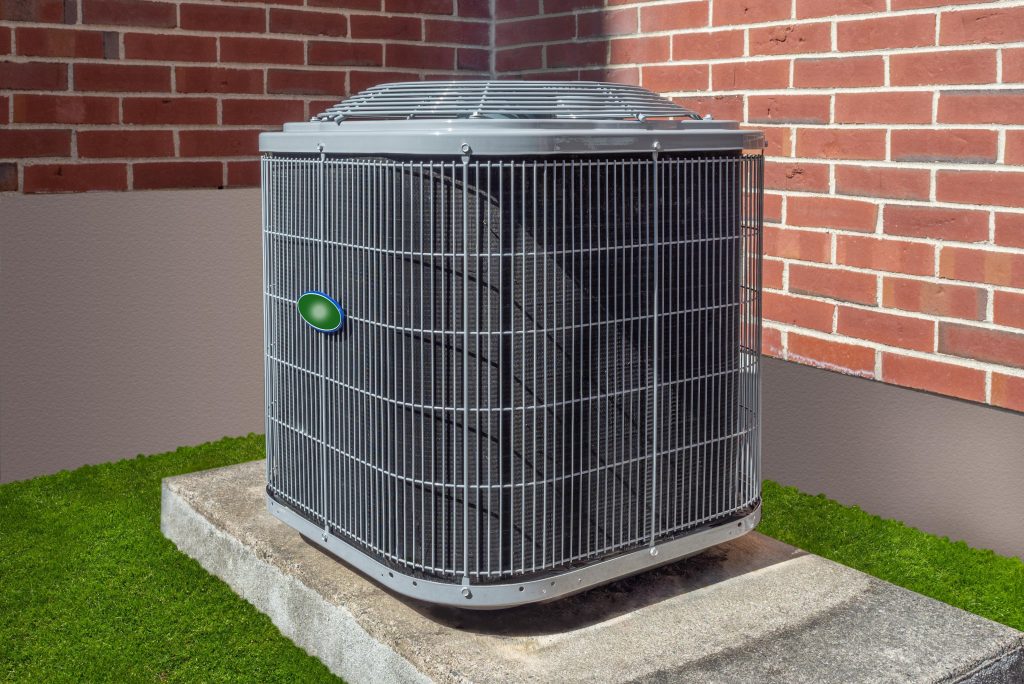
The outdoor unit releases heat collected from inside your home.
When dirt, grass clippings, pollen, or debris accumulate on the coil, efficiency drops and cooling cycles become longer.
3. Refrigerant Problems
Low refrigerant levels reduce the system's ability to absorb and remove heat.
Common warning signs include reduced cooling performance, ice buildup, longer run times, and rising utility costs.
4. HVAC Airflow Problems
This is one of the most overlooked causes of comfort complaints.
Problems may include undersized ductwork, blocked returns, damaged ducts, poor airflow balancing, or air leakage.
Many homeowners assume the equipment itself is failing when the real issue is how air moves throughout the home.
5. Thermostat Issues
Sometimes the AC is working properly while the thermostat is providing inaccurate information.
Improper placement, calibration issues, or faulty sensors can all affect system performance.
6. Aging Equipment
As systems get older, efficiency naturally declines.
Even equipment that still operates may struggle to keep up with cooling demands compared to when it was new.
7. Poor Insulation or Air Leaks
According to the U.S. Department of Energy, insulation deficiencies and air leakage can significantly impact cooling efficiency.
If conditioned air is escaping through gaps, windows, attic spaces, or duct leaks, your system must work longer to compensate.
8. Improper System Sizing
A system that is too small may never fully catch up during extreme temperatures.
A system that is too large can create humidity and comfort problems of its own.
Proper sizing requires a detailed load calculation, not a simple square-foot estimate.
Many of these issues can often be identified during routine AC maintenance before they create comfort problems, excessive energy costs, or emergency breakdowns during the hottest weeks of summer.
Why Is My AC Running Constantly But Not Cooling My House?
Direct Answer
If your AC runs constantly but your house remains warm, common causes include restricted airflow, low refrigerant, dirty coils, thermostat issues, ductwork problems, or an improperly sized system.
When cooling performance decreases, the equipment often runs longer trying to reach the thermostat setting. The longer it runs, the more energy it consumes while comfort continues to decline.
In our experience, homeowners often assume the air conditioner itself is failing when the actual issue involves airflow, duct performance, humidity control, or maintenance-related concerns.
A professional comfort evaluation can help identify the root cause and determine whether the problem involves the equipment, the duct system, airflow performance, humidity control, or another factor affecting overall comfort.
Understanding the Difference Between Normal and Problematic Operation
| Situation | Usually Normal? | Should You Investigate? |
|---|---|---|
| AC runs longer during 95°+ weather | Yes | No |
| AC maintains temperature but runs frequently | Often | Not necessarily |
| AC runs constantly and struggles to cool | No | Yes |
| Ice forms on equipment | No | Yes |
| Utility bills increase dramatically | No | Yes |
| Certain rooms remain uncomfortable | No | Yes |
Why Airflow Problems Often Get Missed
At Tom's Air Conditioning & Heating, airflow-related issues are among the most common causes of cooling complaints we diagnose.
Many HVAC companies focus on restoring operation as quickly as possible. While that's important, it doesn't always explain why the problem occurred in the first place.
We've evaluated homes in Camdenton and Osage Beach where homeowners were told they needed complete system replacements when the primary issue was actually airflow restriction.
With more than 650 customer reviews and three generations of HVAC experience, we've found that airflow-related problems are often responsible for comfort complaints that homeowners mistakenly assume require equipment replacement.
What Airflow Does for Your Cooling System
Proper airflow allows your air conditioner to transfer heat efficiently.
Reduced Cooling Capacity
The system removes less heat from the home.
Higher Energy Consumption
The equipment runs longer to achieve the same result.
Increased Wear and Tear
Components experience additional stress.
Comfort Problems
Hot rooms, cold rooms, and humidity issues become more common.
This is why our comfort evaluations look beyond the equipment itself and examine the entire system.
What Most Online Articles Don't Tell You
Many online resources correctly identify problems like dirty filters, low refrigerant, and dirty coils.
What they often miss is that cooling problems are rarely caused by a single issue.
For example, a dirty filter restricts airflow. Restricted airflow contributes to coil freezing. The frozen coil reduces cooling performance even further. The homeowner notices nonstop operation and assumes the equipment has failed.
In reality, one small issue triggered a chain reaction.
This is why diagnostics matter.
The goal isn't simply identifying a symptom.
The goal is finding the root cause.
That's one reason our Show Me Reporting process includes photos, findings, and explanations so homeowners can see exactly what we see and understand why recommendations are being made.
Can Constant Operation Damage Your AC?
Yes.
Air conditioners are designed for long run times, but constant operation over extended periods increases wear on critical components.
The parts most affected include compressors, blower motors, capacitors, contactors, and electrical components.
Ignoring performance issues can eventually lead to higher utility bills, reduced comfort, unexpected breakdowns, expensive repairs, or premature replacement.
The sooner problems are identified, the easier and less expensive they usually are to correct.
How Much Can a Constantly Running AC Increase Your Electric Bill?
One of the first things homeowners notice when an AC runs constantly is a higher utility bill.
According to ENERGY STAR, heating and cooling account for approximately 50% of the average home's energy use, making HVAC performance one of the biggest factors affecting monthly utility costs.
When an air conditioner runs longer than necessary because of airflow restrictions, dirty coils, refrigerant issues, thermostat problems, or deferred maintenance, energy consumption increases while comfort often decreases.
We've worked with homeowners throughout Springfield and the Lake of the Ozarks area who assumed rising utility bills were simply the result of summer temperatures. In many cases, testing revealed underlying performance issues that were forcing the system to work significantly harder than intended.
A sudden increase in energy costs combined with longer run times, weak airflow, uneven temperatures, or higher humidity levels is often a sign that the system needs attention.
The good news is that many of the issues responsible for nonstop operation can be identified and corrected before they lead to even higher operating costs, equipment failures, or premature replacement.
In our experience, homeowners who address cooling performance concerns early often avoid both expensive repairs and months of unnecessary energy waste.
Can an AC Run All Day Without Breaking?
A properly functioning air conditioner can run for extended periods during extreme heat without causing immediate damage.
However, when an AC runs constantly because of airflow restrictions, refrigerant problems, dirty coils, or other performance issues, the additional strain can increase wear on components and shorten system lifespan over time.
This is why identifying the reason for extended run times is so important. The issue may be normal summer demand, or it may be a warning sign that your system needs professional attention before a larger repair becomes necessary.
What You Can Check Before Calling for Service
Before scheduling professional AC repair, there are a few things homeowners can inspect themselves.
Check Your Filter
A dirty filter is often the easiest issue to address.
Verify Vents Are Open
Closed or blocked vents can restrict airflow throughout the home.
Inspect the Outdoor Unit
Remove debris, weeds, and obstructions around the condenser.
Check Thermostat Settings
Confirm the thermostat is operating correctly and the fan setting is appropriate.
Look for Ice or Water
Ice accumulation is often a sign of airflow or refrigerant problems.
If these steps don't improve performance, professional diagnosis is usually the next best step.
When Should You Call an HVAC Professional?
It's time to schedule service when the system never reaches the thermostat setting, airflow feels weak, utility bills spike unexpectedly, humidity increases indoors, ice forms on equipment, or comfort problems persist.
At Tom's Air Conditioning & Heating, our AC repair process focuses on identifying the root cause rather than simply replacing parts. Many cooling complaints involve airflow, humidity, or system performance issues that are uncovered during a professional diagnostic evaluation. In many cases, we uncover airflow, humidity, ductwork, or system performance issues that contribute to recurring problems.
How Maintenance Helps Prevent Cooling Problems
According to ENERGY STAR, heating and cooling account for approximately 50% of the average home's energy use, making HVAC systems the largest contributor to residential utility bills.
Routine maintenance helps identify developing concerns before they become expensive repairs.
| Maintenance Finding | Potential Consequence |
|---|---|
| Dirty coils | Reduced efficiency |
| Restricted airflow | Longer run times |
| Weak electrical components | System failure |
| Refrigerant issues | Poor cooling |
| Drainage problems | Water damage |
For homeowners in Springfield and throughout the Lake area, annual AC maintenance is one of the most effective ways to improve reliability and reduce the likelihood of summer breakdowns. Regular maintenance also creates opportunities for comfort evaluations that identify airflow and efficiency concerns before they become costly repairs.
AC Running Constantly? Here's What to Do Next
A continuously running air conditioner isn't always a sign of major failure, but it should never be ignored.
Sometimes longer run times are simply the result of extreme Missouri summer weather. Other times, they indicate airflow restrictions, maintenance concerns, refrigerant problems, ductwork issues, humidity challenges, or other performance issues that reduce comfort and increase operating costs.
The challenge is that many different problems can create the same symptom. What appears to be a failing air conditioner may actually be an airflow issue, a thermostat problem, poor duct performance, or a maintenance concern that can be corrected before it turns into a major repair.
At Tom's Air Conditioning & Heating, we believe homeowners deserve more than a quick diagnosis and a sales pitch. That's why our process focuses on evaluating the entire system, documenting what we find, and helping customers understand how those findings affect comfort, efficiency, reliability, and long-term performance.
Whether you're dealing with high utility bills in Springfield, uneven cooling in Lake Ozark, or an AC that never seems to shut off in Osage Beach, identifying the root cause is the first step toward restoring comfort and preventing larger problems down the road.
If your air conditioner is running constantly, struggling to cool your home, or creating comfort concerns, our team can help.
Schedule an evaluation or contact Tom's Air Conditioning & Heating through our Contact Us page.
Whether the solution involves AC repair, preventative maintenance, airflow improvements, or a complete comfort evaluation, we'll help you understand what's happening with your system and recommend solutions that make sense for your home, comfort goals, and budget.
Frequently Asked Questions
Why is my AC running nonstop but my house is still hot?
Common causes include airflow restrictions, refrigerant problems, thermostat issues, dirty coils, or improperly sized equipment.
Is it normal for my AC to run all day during a heat wave?
Yes. During extreme temperatures, longer cooling cycles can be completely normal as long as the system maintains comfort and reaches the thermostat setting.
Can a dirty air filter cause my AC to run constantly?
Absolutely. Restricted airflow is one of the most common causes of extended run times and reduced cooling performance.
How long should an AC run during a 100-degree day?
There is no exact runtime because every home is different. During extreme Missouri heat, a properly functioning system may run for extended periods. The key is whether it maintains comfort, controls humidity, and reaches the thermostat setting.
Can airflow problems really affect cooling that much?
Yes. In our experience, airflow issues are among the most frequently overlooked contributors to comfort complaints, high utility bills, and long run times.
When should I call for AC repair?
If your system can't maintain temperature, develops ice, experiences weak airflow, or runs continuously without improving comfort, it's time for a professional evaluation.